Polk Clean Energy District (PCED) is a local non-profit created to serve as a trusted source to lead, implement, and accelerate access to affordable, locally owned clean energy solutions in Polk County. PCED is one of fourteen organized energy districts working together as an association with Clean Energy Districts of Iowa.
PCED Vision
We envision a healthier Polk County where everyone, especially disadvantaged communities, has access to affordable, locally owned clean energy solutions for decades.
PCED Mission
PCED drives Polk County’s clean energy transition by providing technical assistance, energy planning, and education to lower energy costs and expand local clean energy and energy efficiency. We build community-led solutions, influence local policy, and partner with nonprofits and leaders to empower residents and businesses with reliable information and resources for clean energy and climate resilience.
The Challenge: Addressing Energy Burden in Polk County
- Low-income households in Polk County face disproportionately high energy costs, often spending more of their income on utilities than other households. This creates substantial financial strain, limits opportunities for economic mobility, and impacts overall quality of life.
- Energy Burden in Polk County: For households living at or below the poverty level, 12% of their income is spent on energy bills, such as gas and electricity (DOE).
- Neighborhood Impact: In specific neighborhoods like River Bend, and Cheatom Park, residents at the poverty level spend an even higher percentage of their income on energy costs, further intensifying the burden (DOE).
- Energy Justice: This issue is not just about costs but about equity. Households in these communities, many of which are predominantly non-white, bear the brunt of high energy costs while being most vulnerable to the effects of climate change and least able to participate in the clean energy transition. This contributes to environmental injustice, potentially dangerous indoor air pollutants such as carbon monoxide and particulate matter. Reduced property values can lead to broader social issues like blight and rising crime.
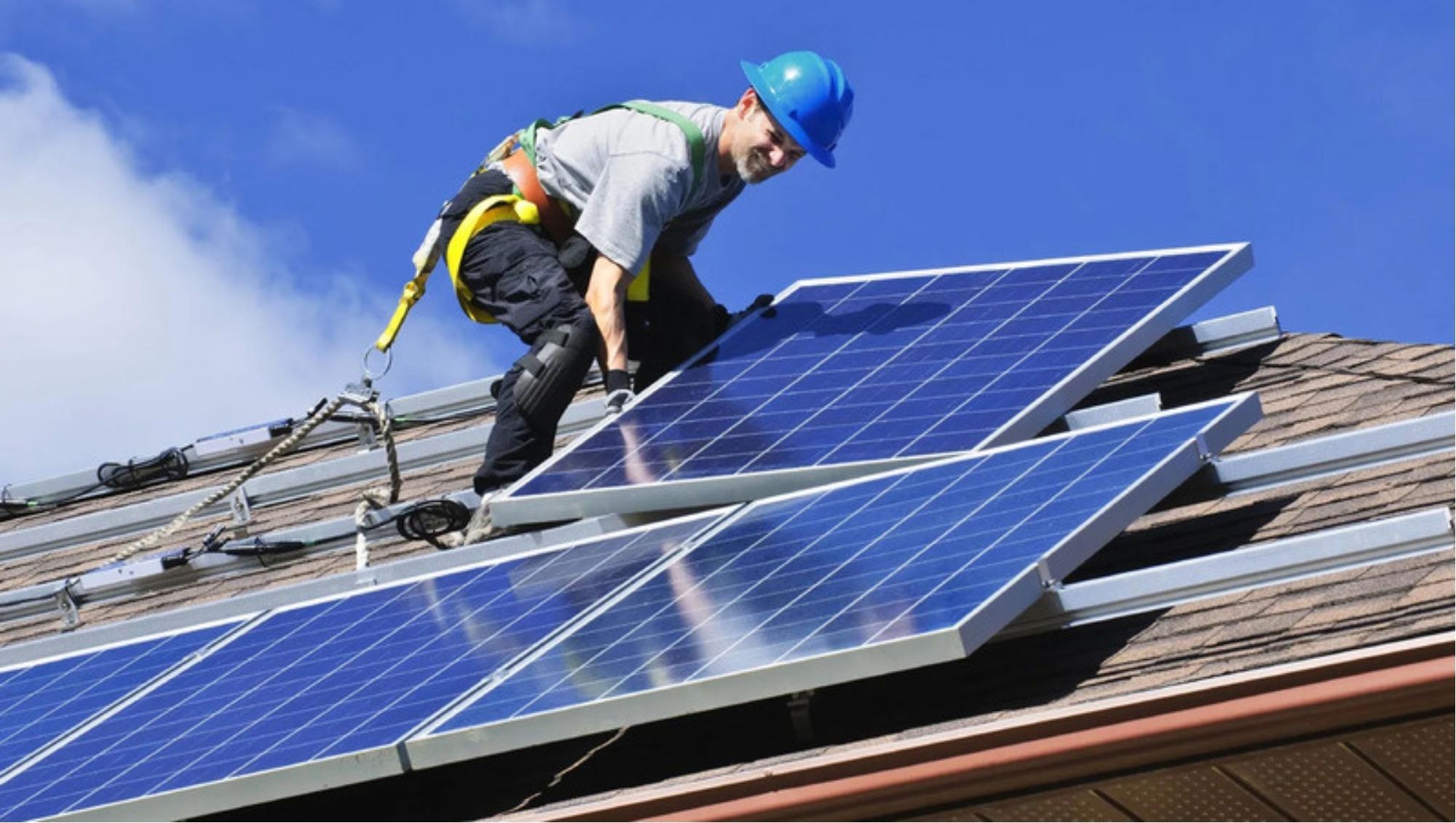
- Cost Savings Through Clean Energy: Implementing clean energy solutions can lower the percentage of income low-income households spend on energy, reduce annual expenses, and allow these families to allocate more resources toward essential needs.
The Can-Do Approach: PCED as a Local Clean Energy Champion
Between 2020 and 2023, several communities in the region took bold steps toward clean energy and climate goals. Johnston and West Des Moines updated their plans to expand renewable energy, energy efficiency, and electric vehicle infrastructure, while Des Moines and Windsor Heights committed to 100% carbon-free electricity by 2035, and Urbandale set ambitious targets for net-zero emissions by 2050. Additionally, Des Moines, Windsor Heights, and Urbandale invested in the Energy Advantaged Loan program with the Neighborhood Finance Corp. to make solar and energy efficiency upgrades more accessible to lower-income homeowners.
Our hands-on approach, rooted in local conversations and partnerships with leaders and nonprofits, will mobilize the entire community and region toward a clean energy future.
- Provide Energy Assistance: Deliver technical support, energy planning, and resource identification to all users, ensuring accessible and equitable clean energy solutions.
- Serve as a Trusted Knowledge Hub: Use data-driven insights and educational forums to share critical information, empowering the community with reliable, actionable knowledge on clean energy and climate change.
- Drive Local Policy and Advocacy: Actively engage in coalitions, campaigns, and climate action plans to shape local policy, advocating for sustainable energy practices and equitable climate solutions.
Guiding Principles
- Rooted in Justice: We are committed to addressing systemic inequalities by promoting fair access to clean energy solutions, ensuring that justice is at the core of all our actions.
- Standing Up for the Underserved: We advocate for and empower underserved communities, working diligently to reduce energy burdens and improve the quality of life for those most impacted.
- Building Trust Through Relationships: We believe in the power of strong relationships. We build trust and foster collaboration toward common goals by engaging authentically with community members.
- Centering Impacted Voices: We prioritize the voices of those directly affected by energy challenges, ensuring their insights and experiences guide our initiatives and solutions.
- Cultivating Local Leadership: We invest in developing local leaders and act as connectors to amplify community voices and promote grassroots advocacy in the clean energy movement.
- Connecting Our Community: We bridge gaps between residents, organizations, and policymakers, facilitating partnerships that drive collective action and meaningful change.
Next Steps
Our priority is to take the clean energy district concept directly into the community by engaging with local nonprofits and government leaders to identify existing resources and avoid duplication of efforts. In December, we will host a series of listening sessions to understand how to support and enhance the work already underway, positioning ourselves as partners and leaders in advancing local clean energy initiatives.